

How Nursing Standards Influence Clinical Negligence Claims
Introduction
Clinical negligence claims involving nursing care often depend on whether healthcare professionals provided treatment and support that met the expected standards of practice.
Nursing is a highly regulated profession where decisions, actions, and documentation can have a significant impact on patient safety and outcomes. When concerns arise about the quality of care provided, understanding whether nursing standards were followed becomes a central part of legal assessment.
A nursing expert witness plays an important role in these cases by reviewing clinical records, analysing nursing practice, and providing an independent opinion on whether the care delivered was reasonable and appropriate.
From patient monitoring and medication management to communication and record keeping, nursing standards provide the framework used to assess whether care met professional expectations.
What Are Nursing Standards?
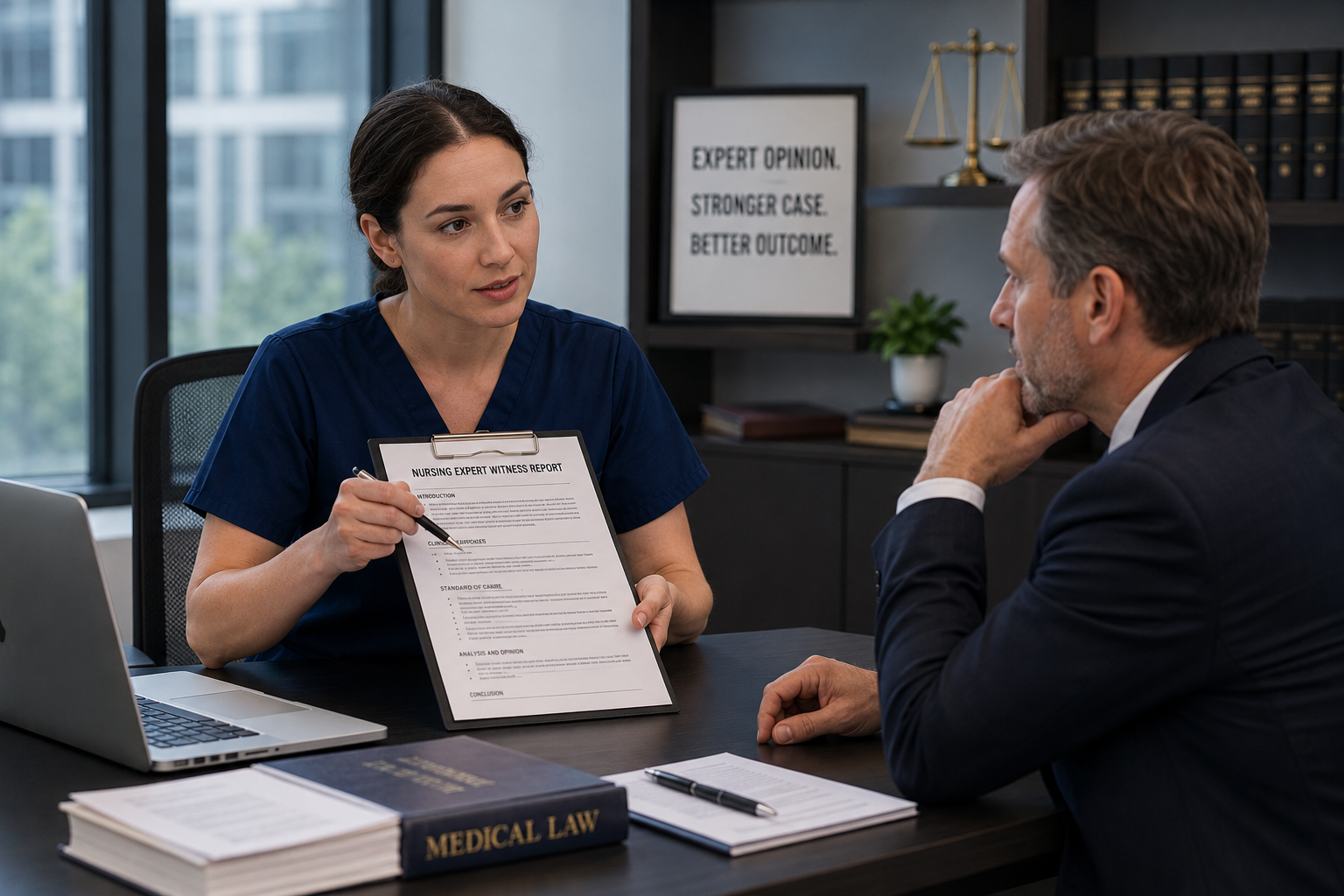
Nursing standards are the professional expectations, principles, and guidelines that define safe and effective nursing practice.
They provide a benchmark against which nursing care can be assessed and help ensure that patients receive consistent, high-quality treatment.
Nursing standards cover areas such as:
Patient assessment and monitoring
Safe medication administration
Infection prevention and control
Communication between healthcare professionals
Accurate documentation
Safeguarding responsibilities
Risk assessment and management
Maintaining patient dignity and wellbeing
These standards are developed through professional guidance, clinical evidence, organisational policies, and regulatory expectations.
When reviewing a clinical negligence claim, experts consider whether the nursing care provided aligned with these accepted standards.
Understanding Clinical Negligence in Nursing Care
Clinical negligence occurs when a healthcare professional fails to provide an appropriate standard of care, resulting in avoidable harm or injury to a patient.
In nursing-related claims, the focus is often on whether:
The correct assessments were completed
Appropriate care plans were followed
Risks were identified and managed
Concerns were escalated appropriately
Nursing interventions were delivered correctly
Records accurately reflected patient care
A claim generally requires evidence that the standard of care fell below what would reasonably be expected from a competent nursing professional in similar circumstances.
A nursing expert witness helps assess these issues by applying their clinical knowledge and experience to the evidence available.
The Role of a Nursing Expert Witness in Clinical Negligence Cases
Clinical negligence cases often involve complex healthcare information that requires specialist interpretation.
A nursing expert witness provides an independent assessment of the nursing care provided and helps legal professionals understand whether accepted standards were maintained.
Their role may include:
Reviewing Clinical Documentation
The expert examines relevant evidence, including:
Nursing notes
Care plans
Risk assessments
Observation charts
Medication records
Incident reports
Hospital policies
Healthcare correspondence
This review helps establish what care was provided and whether important actions were taken.
Assessing the Standard of Nursing Care
The expert considers whether the nursing team acted in accordance with appropriate professional expectations.
This may involve assessing:
Clinical decision-making
Patient monitoring
Communication
Escalation procedures
Compliance with policies and guidelines
The expert then provides an objective opinion regarding the quality of care.
Identifying Breaches in Nursing Practice
Where concerns exist, a nursing expert may identify whether there were failures such as:
Delayed recognition of deterioration
Inadequate monitoring
Poor communication
Failure to follow care plans
Incomplete documentation
Incorrect clinical procedures
These findings may help determine whether nursing actions contributed to patient harm.
Common Areas of Nursing Clinical Negligence Claims
Clinical negligence claims can arise from many areas of nursing practice.
Failure to Monitor Patient Condition
Nurses have a responsibility to monitor patients and recognise signs of deterioration.
Concerns may arise when:
Vital signs are not monitored appropriately
Changes in condition are missed
Escalation does not occur promptly
Clinical concerns are not communicated effectively
Early recognition and intervention are essential in preventing avoidable harm.
Medication Errors and Administration Failures
Medication management is a key area of nursing responsibility.
A nursing expert may assess whether appropriate procedures were followed, including:
Checking patient identity
Confirming medication details
Administering medicines safely
Recording administration accurately
Monitoring for adverse reactions
Medication errors can result in serious consequences and are frequently examined during negligence investigations.
Pressure Ulcer Prevention and Management
Pressure ulcers remain one of the most commonly reviewed areas within nursing negligence claims.
Experts may assess whether appropriate preventative measures were taken, including:
Completing pressure ulcer risk assessments
Developing appropriate care plans
Providing pressure-relieving equipment
Repositioning patients when required
Monitoring skin condition
Documenting interventions
Where prevention strategies were inadequate, expert evidence may be required to determine whether nursing standards were breached.
Falls Prevention and Patient Safety
Falls within healthcare settings can result in significant injury, particularly among vulnerable patients.
Nursing standards require appropriate assessment and management of falls risks.
A nursing expert may review:
Falls risk assessments
Environmental risks
Mobility support
Patient supervision
Communication of risks
Prevention strategies
The expert opinion can help determine whether reasonable steps were taken to protect the patient.
The Importance of Accurate Nursing Documentation
Documentation is a fundamental part of safe nursing practice.
Clear and accurate records provide evidence of:
Patient assessments
Clinical decisions
Care provided
Communication between teams
Changes in patient condition
Poor documentation can create difficulties when determining what care was delivered.
In clinical negligence cases, nursing records are often one of the most important sources of evidence reviewed by experts.
How Expert Nursing Evidence Supports Legal Decisions
Independent nursing evidence helps courts and legal teams understand whether care met appropriate professional standards.
A nursing expert witness can provide clarity by:
Explaining accepted nursing practice
Interpreting complex clinical records
Identifying areas of concern
Providing balanced professional opinions
Assisting with liability assessments
Their evidence allows decisions to be based on clinical expertise rather than assumptions.
Why Early Review of Nursing Care Can Benefit Solicitors
Obtaining expert nursing advice at an early stage can help legal teams evaluate the strength of a potential claim.
Early assessment may assist with:
Understanding Case Merits
An expert can identify whether nursing care appears consistent with accepted standards.
Identifying Missing Evidence
The expert may highlight additional records or information required.
Improving Case Preparation
Early understanding of clinical issues allows solicitors to prepare stronger arguments.
Supporting Settlement Discussions
Independent evidence can help parties assess the case more effectively.
What Makes a Strong Clinical Negligence Nursing Assessment?
A high-quality nursing negligence assessment should be:
Independent
The expert must provide an objective opinion regardless of the party instructing them.
Evidence-Based
Conclusions should be supported by clinical records, professional standards, and relevant guidance.
Clinically Relevant
The expert must have appropriate experience relating to the nursing issues being assessed.
Clearly Explained
Complex clinical matters should be presented in language understandable to legal professionals and the court.
Thorough and Accurate
Every opinion should be carefully considered and supported by evidence.
Conclusion
Nursing standards are central to understanding clinical negligence claims involving healthcare professionals. They provide the framework used to evaluate whether patients received safe, appropriate, and effective care.
When concerns arise, a nursing expert witness can provide essential independent evidence by reviewing records, assessing clinical practice, and explaining whether care met accepted professional expectations.
From medication management and patient monitoring to documentation and safeguarding, expert nursing evidence helps ensure that complex healthcare issues are assessed fairly and accurately.
At Expert Nurse Witness Group, our experienced nursing experts provide independent, evidence-based reports to support solicitors, insurers, healthcare organisations, and legal professionals involved in clinical negligence matters.
FAQs
What is an expert nurse witness?
An expert nurse witness is a qualified nursing professional who provides independent, impartial opinions in legal cases. Their role is to review clinical records, assess whether accepted standards of nursing care were met, and prepare expert reports for courts, solicitors, insurers, and tribunals.
What does a nursing expert witness do?
A nursing expert witness provides independent opinion on nursing care, standards, practice and professional issues relevant to legal proceedings.
Are you a referral agency or middleman?
No. We are not a referral agency or middleman. Instructions are handled directly by nursing experts within Expert Nurse Witness Group.
Are your experts registered with the Nursing and Midwifery Council?
Yes. All nursing experts within the group are registered with the Nursing and Midwifery Council and work within their professional scope of practice.
Can we request an expert CV?
Yes. We do not publish individual expert profiles as standard, but a relevant expert CV can be provided on request once the instruction has been reviewed and suitability has been confirmed.
Why do you not publish individual expert profiles?
We recognize that our nursing experts have a right to professional privacy and personal data protection. We therefore do not publish individual profiles as standard. This is in line with data protection principles, including only sharing relevant information where there is a clear professional purpose. A relevant CV can be provided on request once suitability has been confirmed.
Do your experts understand their duty to the court?
Yes. Our experts understand that their overriding duty is to the court and that this duty is independent of the party instructing them.
Can you provide mental capacity and best interests reports?
Yes. We can provide nursing expert opinion on mental capacity and best interests matters where the issues fall within nursing expertise.
What is a quantum care report?
A quantum care report evaluates a person's current and future care requirements following injury or illness. It helps quantify care needs for legal proceedings.
Can you provide quantum care reports?
Yes. We can provide quantum care reports, care cost opinions and future care needs reports where the issues fall within nursing expertise and are supported by the evidence.
Do you cover the whole of the UK?
Yes. We provide UK-wide nursing expert witness services, with remote consultations and assessments available where appropriate.
How long does it take to prepare an expert report?
Timeframes vary depending on the complexity of the case and the volume of records. We will provide an estimated turnaround time once instructions have been reviewed.
What happens after I submit an enquiry?
Once we receive your enquiry, we will review the information provided, discuss your requirements if needed, and advise on availability, scope of work, and the next steps.